
Popular Outdoor Heater Installation Products For Comfortable Outdoor Living
Discover must-have items that simplify outdoor heater setup and provide reliable warmth for all seasons.
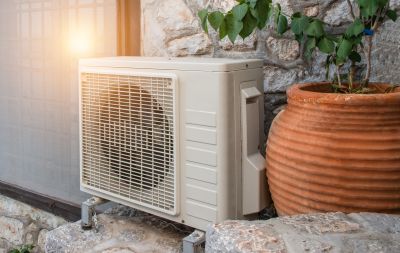 Outdoor heater installations encompass a diverse range of products designed to provide warmth and comfort in outdoor settings. From residential patios to commercial outdoor dining areas, selecting the right heating solution involves understanding various product types and their functionalities. These systems can be powered by electricity, propane, natural gas, or infrared technology, each offering different benefits and installation requirements. Proper installation not only ensures safety but also optimizes the efficiency and longevity of the heating equipment.
Top Overall Option
Infrared Outdoor Heater
Infrared outdoor heaters are versatile and efficient options that provide direct heat to people and objects in their vicinity. They are suitable for various outdoor settings, including patios, decks, and commercial spaces. These heaters typically feature durable, weather-resistant construction and can be mounted or portable, offering flexible installation options. Their ability to heat specific areas quickly and effectively makes them a popular choice for outdoor heating needs.
Types of Products For Outdoor Heater Installations
Wall-Mounted Heaters
Fixed to walls or structures, wall-mounted heaters save space and provide consistent heat for outdoor patios and decks.
Standing Patio Heaters
Portable and freestanding, these heaters are ideal for flexible outdoor arrangements and can be moved as needed.
Tabletop Heaters
Compact and convenient, tabletop heaters are perfect for small gatherings and personal heating needs.
Infrared Heaters
Infrared heaters emit radiant heat directly to objects and people, offering quick and focused warmth.
Propane-Powered Heaters
These portable heaters use propane tanks and are suitable for areas without electrical access.
Natural Gas Heaters
Designed for permanent installation, natural gas heaters provide continuous heat with a connection to existing gas lines.
Electric Patio Heaters
Electric models are easy to install and operate, suitable for areas with accessible power outlets.
Fire Pit Heaters
Combining aesthetics and function, fire pit heaters create a cozy atmosphere while providing warmth.
Infrared Panel Heaters
Slim and sleek, infrared panel heaters can be mounted on walls or ceilings for unobtrusive heating.
Portable Gas Heaters
Lightweight and easy to move, portable gas heaters are suitable for temporary outdoor heating needs.
Commercial Outdoor Heaters
Designed for larger spaces, these heaters often feature higher capacities and robust construction for frequent use.
Electric Infrared Heaters
Combining electric power with infrared technology, these heaters offer efficient, direct warmth.
Popular Choices
Widely used for outdoor spaces, these portable heaters provide flexible warmth for gatherings.
Space-saving and reliable, wall-mounted heaters are common for fixed outdoor heating solutions.
Known for quick and direct heating, infrared models are frequently chosen for outdoor patios.
Portable and convenient, propane heaters are popular for temporary outdoor heating needs.
Easy to operate and install, electric heaters are commonly used in residential outdoor spaces.
Combining warmth and ambiance, fire pit heaters are trending for outdoor entertainment areas.
For permanent setups, natural gas heaters remain a common choice among outdoor heating options.
Slim and efficient, infrared panel heaters are gaining popularity for discreet outdoor heating.
Favored for their mobility, portable gas heaters are frequently selected for outdoor events.
When considering outdoor heater installations, it is important to evaluate the space size, safety features, ease of installation, and compatibility with existing outdoor setups. Some systems are portable and can be moved easily, while others are designed for permanent installation. Weather resistance and durability are critical factors, especially in environments exposed to the elements. Additionally, the aesthetic appeal of the heater and how well it integrates with outdoor decor can enhance the overall ambiance.
Installation accessories and safety accessories such as mounting brackets, protective covers, and automatic shut-off systems can improve usability and safety. It is advisable to follow manufacturer guidelines and local codes during installation to prevent hazards. Regular maintenance and inspections are recommended to ensure continued performance and safety. Whether for casual outdoor gatherings or more permanent outdoor living spaces, choosing the right products and accessories can make outdoor heating both effective and enjoyable.
Key Buying Considerations
- Determine the size of the outdoor area to select an appropriately rated heater.
- Consider the power source available, such as electrical outlets, gas lines, or propane tanks.
- Assess the installation requirements, whether portable or fixed, and the space constraints.
- Evaluate weather resistance and durability for outdoor conditions.
- Check safety features like automatic shut-off, tip-over protection, and protective covers.
- Decide on the type of heating technology that suits your needs, such as infrared, propane, or electric.
- Consider the aesthetic design and how the heater integrates with outdoor decor.
- Review maintenance needs and ease of cleaning for long-term use.
- Ensure compliance with local safety codes and installation regulations.
- Think about noise levels if the heater has fans or moving parts.
- Evaluate energy efficiency to manage ongoing operational costs.
- Determine whether portability or permanence is more suitable for your space.
- Look into additional accessories such as mounting brackets, covers, or remote controls.
- Assess the control options, including manual, remote, or smart connectivity.
- Consider environmental factors like wind or rain that could affect heater performance.